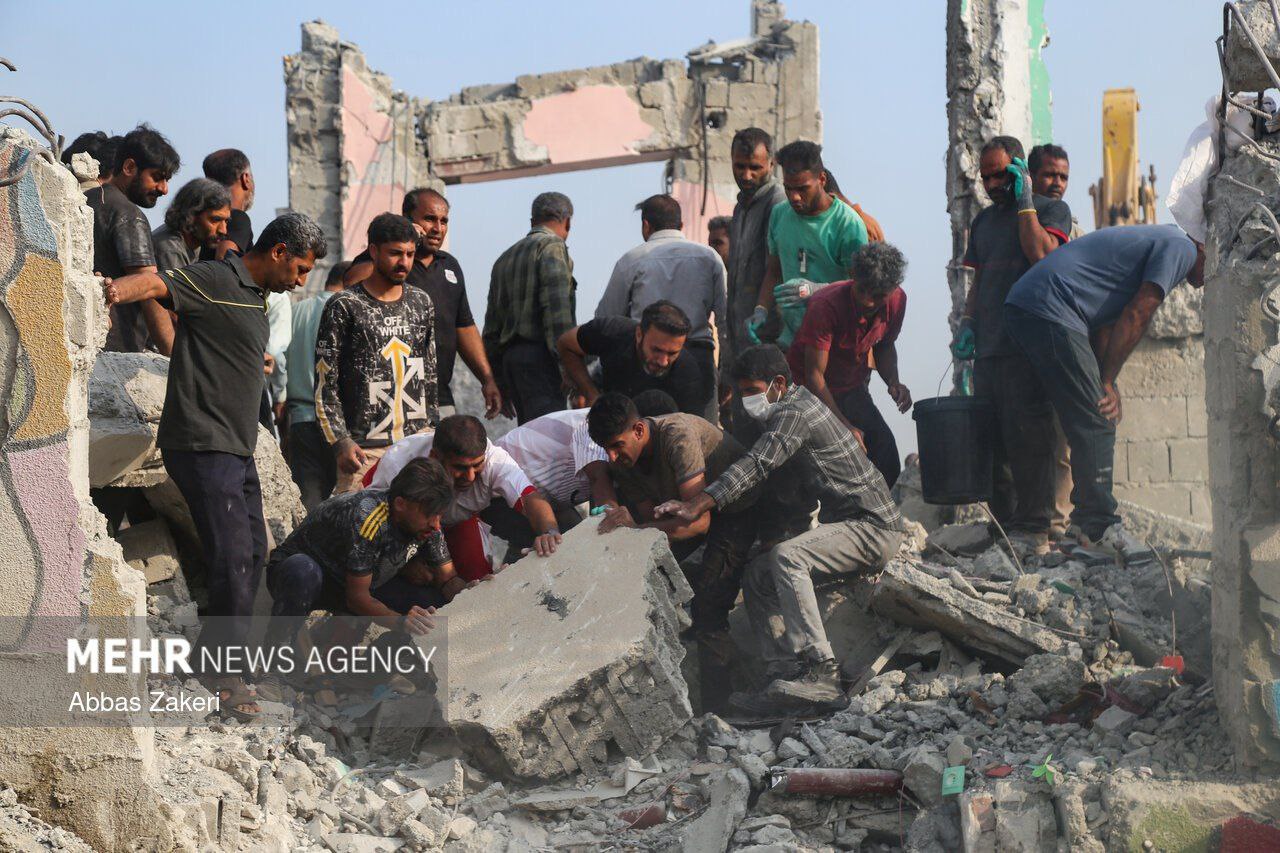
Global Shockwaves: Israel-Iran War Widens, Markets & Shipping Hit
The geopolitical landscape of the Middle East has been irrevocably altered following a dramatic escalation of hostilities between Israel and Iran. What began as targeted strikes has rapidly spiraled into a wider confrontation, sending global shockwaves through financial markets, disrupting critical shipping lanes, and threatening the stability of an already volatile region. The latest israel teheran angriff and subsequent counterattacks have ignited fears of a protracted conflict with far-reaching economic and humanitarian consequences.
The immediate fallout from the US-Israeli strikes, which notably resulted in the death of Supreme Leader Ayatollah Ali Khamenei and other top security officials, has been a rapid and dangerous cycle of retaliation. As the dust settles, the world grapples with unprecedented challenges, from soaring energy prices to the rerouting of global trade, signaling a new era of uncertainty.
The Escalation: From Targeted Strikes to Regional Retaliation
The turning point in the long-simmering tensions between Israel and Iran arrived with a series of decisive US-Israeli strikes. These operations achieved a significant strategic objective: the elimination of Iran's Supreme Leader Ayatollah Ali Khamenei and members of his inner circle. Republican Senator Lindsey Graham notably lauded the action, proclaiming, "The mothership of terrorism is sinking. The captain is dead. The largest state sponsor of terrorism, Iran, is close to collapsing." This bold assertion underscores the perceived strategic victory, aiming to dismantle the leadership of a nation long accused of sponsoring global terrorism.
However, the anticipated collapse did not materialize instantly. Instead, Iran's Revolutionary Guard quickly responded with counterattacks, striking US bases in Bahrain and the UAE. While the US military denied Iranian claims that the USS Abraham Lincoln aircraft carrier was hit, stating the "missiles launched didn’t even come close," the intent was clear: Iran would not cede ground without a fight. The Revolutionary Guard further threatened its "most intense offensive operation" ever against Israeli and US military installations, signaling a dangerous commitment to retaliation.
This rapid succession of the israel teheran angriff and subsequent Iranian counter-strikes has created a perilous feedback loop. Each action risks provoking a larger reaction, pushing the region closer to a full-scale war. Political scientist Vali Nasr articulated this growing concern, arguing that the US may have already "lost control of this war," highlighting the unpredictable nature of the conflict once it gains momentum. The strategic implications of targeting high-value individuals, while aiming to cripple command structures, also risk removing potential interlocutors for de-escalation, leaving a vacuum that could be filled by more hardline elements.
Global Economic Fallout: Markets on Edge
The immediate and perhaps most tangible impact of the widening Israel-Iran war has been on global financial markets, particularly in the energy sector. Crude oil prices have surged to unprecedented levels, driven by fears of supply disruptions in the Middle East, a region vital for a significant portion of the world's oil production. Footage of a huge fire raging at an oil depot in Fujairah, UAE, ignited by falling debris from an intercepted drone, served as a stark visual reminder of the vulnerability of energy infrastructure. Such incidents directly impact prices as traders factor in increased risk premiums and potential shortages.
Beyond oil, the uncertainty surrounding the israel teheran angriff has sent jitters through stock markets worldwide. Investors, seeking safe havens, have moved capital into assets like gold and government bonds, while equity markets have experienced significant volatility. The ripple effect extends to inflation, as higher energy and shipping costs translate into increased prices for goods and services across all sectors. This could potentially derail global economic recovery efforts and exacerbate cost-of-living crises in many countries.
Practical Implications and Tips for Businesses:
- Energy Hedging: Companies heavily reliant on energy should explore hedging strategies to lock in prices and mitigate exposure to market volatility.
- Supply Chain Resilience: Diversify sourcing and logistics partners to reduce dependence on single regions or routes.
- Currency Fluctuations: Monitor global currency markets as geopolitical tensions often lead to significant shifts in exchange rates, impacting international trade and investments.
- Risk Assessment: Regularly update geopolitical risk assessments to understand potential impacts on operations, investments, and market access.
Navigating Perilous Waters: Shipping, Trade, and the Strait of Hormuz
Perhaps one of the most critical arteries of global trade, maritime shipping, has been profoundly affected by the escalating conflict. Several major shipping companies have already begun rerouting their vessels around Africa, abandoning the faster routes through the Suez Canal and the Bab al-Mandeb Strait. This decision, while adding significant time and cost to voyages, underscores the perceived dangers of navigating these strategically vital, yet now perilous, waterways.
The gravest concern for global trade revolves around the Strait of Hormuz. A staggering one-fifth of the worldwide traded oil passes through this narrow choke point. Should Iran make the Strait unsafe for commercial traffic, as implied by its threats of an "intense offensive operation," the ramifications would be catastrophic. Not only would oil prices skyrocket, but the movement of countless other goods would be severely hampered, leading to widespread supply chain disruptions, commodity shortages, and significant inflationary pressures.
Impact on Global Supply Chains:
- Increased Transit Times: Rerouting around Africa adds weeks to journeys, delaying deliveries of raw materials and finished goods.
- Higher Shipping Costs: Longer routes mean increased fuel consumption and higher operational expenses, which are ultimately passed on to consumers.
- Insurance Premiums: War risk insurance premiums for vessels operating in the Gulf region have soared, adding another layer of cost.
- Port Congestion: Alternative ports may experience increased traffic and congestion, leading to further delays.
The threat posed by the intensified israel teheran angriff to maritime security necessitates urgent international cooperation and robust naval presence to deter further attacks on commercial shipping. The stability of these shipping lanes is not merely a regional concern but a fundamental pillar of global economic stability.
A Region on High Alert: Gulf States and International Reactions
The Gulf Cooperation Council (GCC), comprising the UAE, Bahrain, Saudi Arabia, Oman, Qatar, and Kuwait—all of whom have experienced Iranian strikes—convened via video-link to formulate a unified response. The foreign ministers reviewed the "extensive damage resulting from the treacherous Iranian attacks" and collectively pledged to defend themselves. Their statement was unequivocal: Gulf countries "will take all necessary measures to defend their security and stability and to protect their territories, citizens, and residents, including the option of responding to the aggression." This collective resolve underscores the seriousness with which regional powers view the threat, balancing condemnation with a clear message of deterrence.
Internationally, reactions to the US-Israeli strikes have been mixed. While some celebrated the decisive action against Iran's leadership, others met it with angry protests. In Pakistan, at least 22 people were killed in northern Pakistan and Karachi after police responded to hundreds of protesters storming US consulates. World leaders have largely called for a return to negotiations and peace, recognizing the immense danger a wider conflict poses to global stability. The discovery of debris from NATO's interception of an Iranian ballistic missile in Turkiye further illustrates the broad geographical reach of the conflict's impacts.
The immediate challenge for international diplomacy is to prevent further escalation and to open channels for de-escalation. The GCC's call for the "immediate cessation of these attacks" reflects a broader international desire to avert a catastrophic regional war. However, with strong rhetoric and decisive military actions defining the current landscape, finding common ground for dialogue remains an immense hurdle.
Conclusion
The widening Israel-Iran war marks a critical juncture in global affairs. The audacious israel teheran angriff has not only reshaped the leadership of Iran but has unleashed a torrent of geopolitical and economic instability that reverberates far beyond the Middle East. From the precarious balance of power in the Gulf to the volatile swings in global markets and the disrupted arteries of international shipping, the consequences are profound and far-reaching. As the region braces for Iran's threatened "most intense offensive operation," the urgent need for international diplomacy and de-escalation cannot be overstated. The stability of the Gulf region is, as the GCC rightly articulated, not merely a regional concern but a fundamental pillar of global economic stability, demanding a concerted and immediate response from the international community to prevent an even more catastrophic future.