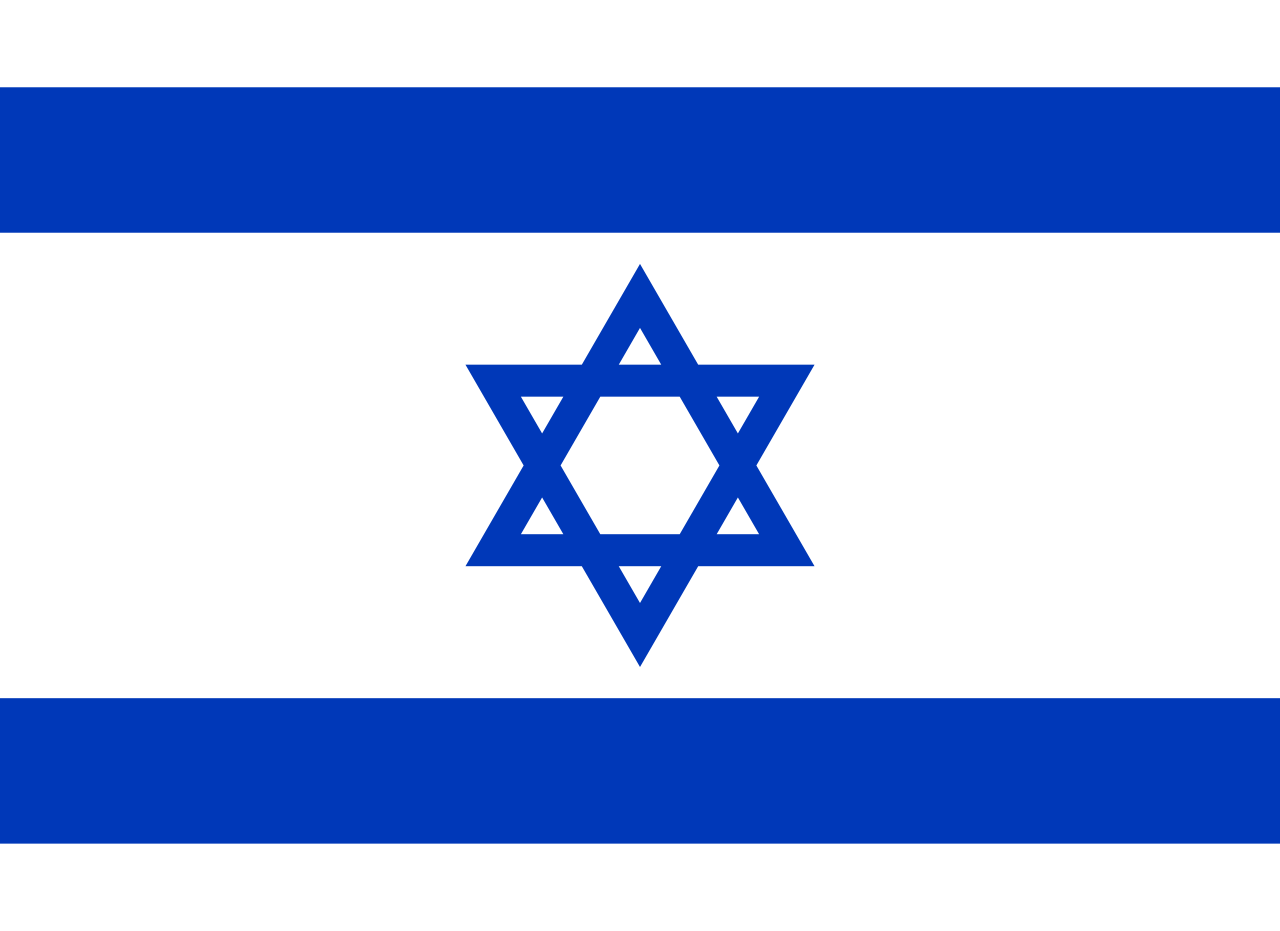
The Middle East simmers on the brink of an unprecedented escalation following decisive US-Israeli strikes against Iran, which saw the demise of Supreme Leader Ayatollah Ali Khamenei and other high-ranking security officials. In the wake of these actions, Tehran has not only retaliated but has vowed an "intense offensive operation" against Israeli and US interests, plunging the region, and indeed the world, into a state of heightened anxiety. As this dangerous new chapter unfolds, Gulf states find themselves in a perilous position, compelled to formulate a unified front against potential Iranian aggression, while global markets reel from the immediate economic repercussions.
The Spark: A Decisive Blow and Iran's Fiery Response
The geopolitical landscape of the Middle East was irrevocably altered by the targeted US-Israeli air strikes that directly hit the heart of Iran's leadership. The reported killing of Supreme Leader Ayatollah Ali Khamenei, along with his inner circle of top security officials, represents a monumental shift in power dynamics. Republican Senator Lindsey Graham lauded the strikes, asserting that the "mothership of terrorism is sinking" and that the world is now a better place without the leader of what he termed the "largest state sponsor of terrorism." This targeted action, a direct `Israel Teheran Angriff` (Israel-Tehran attack) as many observers term it, has undeniably sent shockwaves far beyond the immediate conflict zone.
Iran’s response was swift and unambiguous, if not entirely successful in its initial claims. Iranian counterattacks reportedly struck US bases in Bahrain and the UAE. While the US military swiftly denied Iranian assertions that the USS Abraham Lincoln aircraft carrier was hit, stating that the launched missiles "didn’t even come close," the intent was clear. More ominously, Iran’s Revolutionary Guard has issued a stark warning: it plans to launch its "most intense offensive operation" ever against Israeli and US military installations. This threat underscores a dangerous commitment to retaliation that could spiral into a wider, more devastating conflict.
The targeting of such high-profile figures is not merely a tactical victory; it dismantles a crucial pillar of Iran's state apparatus and ideological foundation. The immediate aftermath sees a power vacuum and a period of intense instability within Iran, raising questions about succession and the coherence of its future leadership. This pivotal event has been extensively covered in related analyses, such as Khamenei Killed: US-Israel Strikes Escalate Iran Conflict, which delves deeper into the specifics of the strikes and their immediate domestic implications for Iran.
Gulf Nations United: A Stance Against Aggression
In the shadow of Iran's threats, the Gulf Cooperation Council (GCC) has moved quickly to forge a unified response. Foreign ministers from the six GCC states—the UAE, Bahrain, Saudi Arabia, Oman, Qatar, and Kuwait—convened via video-link to address the escalating crisis. All these nations have previously experienced Iranian strikes, making their concerns particularly acute and their collective resolve paramount. Their meeting reviewed the "extensive damage resulting from the treacherous Iranian attacks" and focused on practical steps to restore regional stability.
The GCC’s statement following the meeting was unequivocal: Gulf countries "will take all necessary measures to defend their security and stability and to protect their territories, citizens, and residents, including the option of responding to the aggression." This pledge signals a willingness to engage defensively, and potentially offensively, if their sovereignty is challenged. They also issued a strong call for the "immediate cessation of these attacks," emphasizing that the stability of the "Gulf region is not merely a regional concern but a fundamental pillar of global economic stability."
For these nations, maintaining a delicate balance between deterrence and de-escalation is critical. Practical tips for Gulf states in this volatile environment include:
- Strengthening Air Defense Systems: Investing further in advanced missile defense capabilities to mitigate the threat of ballistic missile attacks.
- Enhancing Intelligence Sharing: Collaborating closely with allies, including the US, to monitor Iranian military movements and intentions.
- Diplomatic Outreach: Maintaining open, albeit tense, communication channels with international mediators to explore diplomatic off-ramps and prevent miscalculation.
- Economic Resilience: Diversifying economies and securing alternative trade routes to reduce vulnerability to disruptions in vital waterways like the Strait of Hormuz.
The unified stance of the GCC underscores the shared vulnerability and the deep-seated concerns over Iranian expansionism. Their collective security is now more intertwined than ever, facing a direct and overt threat following this latest `Israel Teheran Angriff`.
Global Ripples: Economic Turbulence and Political Fallout
The repercussions of the escalating conflict extend far beyond the Middle East, sending shockwaves through global markets, supply chains, and international relations. The direct threat to vital shipping lanes, particularly the Suez Canal and the Bab al-Mandeb Strait, has prompted several major shipping companies to reroute their vessels around Africa. This significantly increases transit times and costs, which will ultimately be passed on to consumers worldwide.
The most immediate and concerning economic threat, however, centers on the Strait of Hormuz. A staggering one-fifth of the world's traded oil passes through this narrow choke point. If Iran makes the Strait unsafe for commercial traffic, as it has threatened in the past, the global energy supply could face an unprecedented crisis. Evidence of this vulnerability is already apparent, with footage showing a massive fire raging at an oil depot in Fujairah, UAE, ignited by falling debris from an intercepted drone. This incident, just a day after the debris fell, starkly illustrates the tangible threat to critical energy infrastructure. Indeed, energy prices have already begun to spike, reflecting the immense uncertainty in the market.
Beyond shipping and energy, the conflict has severely disrupted air travel in the region, leaving hundreds of thousands of travelers stranded and impacting global connectivity. Politically, the US and Israeli bombardment of Iran, coupled with Israeli forces hammering Lebanon, has led to a widening conflict that has elicited a spectrum of global reactions. Angry protests have erupted in various parts of the world, with at least 22 people killed in northern Pakistan and Karachi after protestors stormed US consulates. Conversely, celebrations have also been reported in some quarters, while world leaders universally call for a return to negotiations and peace.
Political scientist Vali Nasr argues that "the US has lost control of this war," highlighting the unpredictable nature of the escalation. Even NATO has been drawn into the periphery, with debris from its interception of an Iranian ballistic missile pulled out of the water in Turkiye. For a more detailed look into these cascading global effects, readers can refer to Global Shockwaves: Israel-Iran War Widens, Markets & Shipping Hit.
The Looming Threat to Global Energy and Trade
The implications for global trade and energy markets are dire. Any prolonged disruption to the Strait of Hormuz would not only send crude oil prices soaring but also cripple a multitude of industries reliant on timely shipping. Companies should consider:
- Supply Chain Diversification: Exploring alternative sourcing strategies and routes to reduce reliance on potentially vulnerable regions.
- Contingency Planning: Developing robust plans for higher shipping costs, longer lead times, and potential energy supply interruptions.
- Monitoring Market Intelligence: Closely tracking geopolitical developments and energy market forecasts to make informed business decisions.
The instability created by this widespread `israel teheran angriff` scenario demands proactive measures from governments and businesses alike.
Navigating the Precipice: Calls for Diplomacy Amidst Escalation
Despite the prevailing atmosphere of retaliation and aggression, there is a consistent, urgent chorus from world leaders for de-escalation and a return to diplomatic negotiations. The stakes are too high for a prolonged military confrontation in a region already fractured by decades of conflict. The challenge, however, lies in finding common ground when core leadership has been targeted and explicit threats of an "intense offensive" have been made.
Achieving peace requires more than just calls for dialogue; it demands a concerted, multilateral effort to establish credible mediation channels. International bodies and neutral states could play a crucial role in facilitating indirect talks, focusing on immediate ceasefire agreements and confidence-building measures. The absence of a clear, stable leadership in Iran post-Khamenei further complicates these efforts, as potential new power structures consolidate their positions. The global community must prioritize:
- Establishing Clear Red Lines: Defining acceptable boundaries of engagement to prevent accidental escalation.
- De-escalation Frameworks: Proposing phased reduction of military activities and withdrawal of forces from contested areas.
- Humanitarian Aid Planning: Preparing for the potential humanitarian crisis that could arise from a wider conflict, ensuring aid routes and resources are ready.
The path forward is fraught with peril, but the alternative—a full-scale regional war with global implications—is simply unthinkable.
The Middle East stands at a critical juncture, as Iran vows retaliation in the wake of the US-Israeli strikes that killed its supreme leader. Gulf states are bracing for potential aggression, unifying their stance against further Iranian attacks, while the global economy grapples with escalating energy prices, disrupted trade routes, and widespread instability. The immediate future hinges on the effectiveness of international diplomatic efforts to temper Iran's promised "intense offensive" and prevent an all-out regional conflagration. The world watches with bated breath, hopeful that reason will prevail over retribution in this deeply concerning `Israel Teheran Angriff` and its aftermath.