A New Chapter of Conflict: US-Israel Strikes and the Death of Iran's Supreme Leader
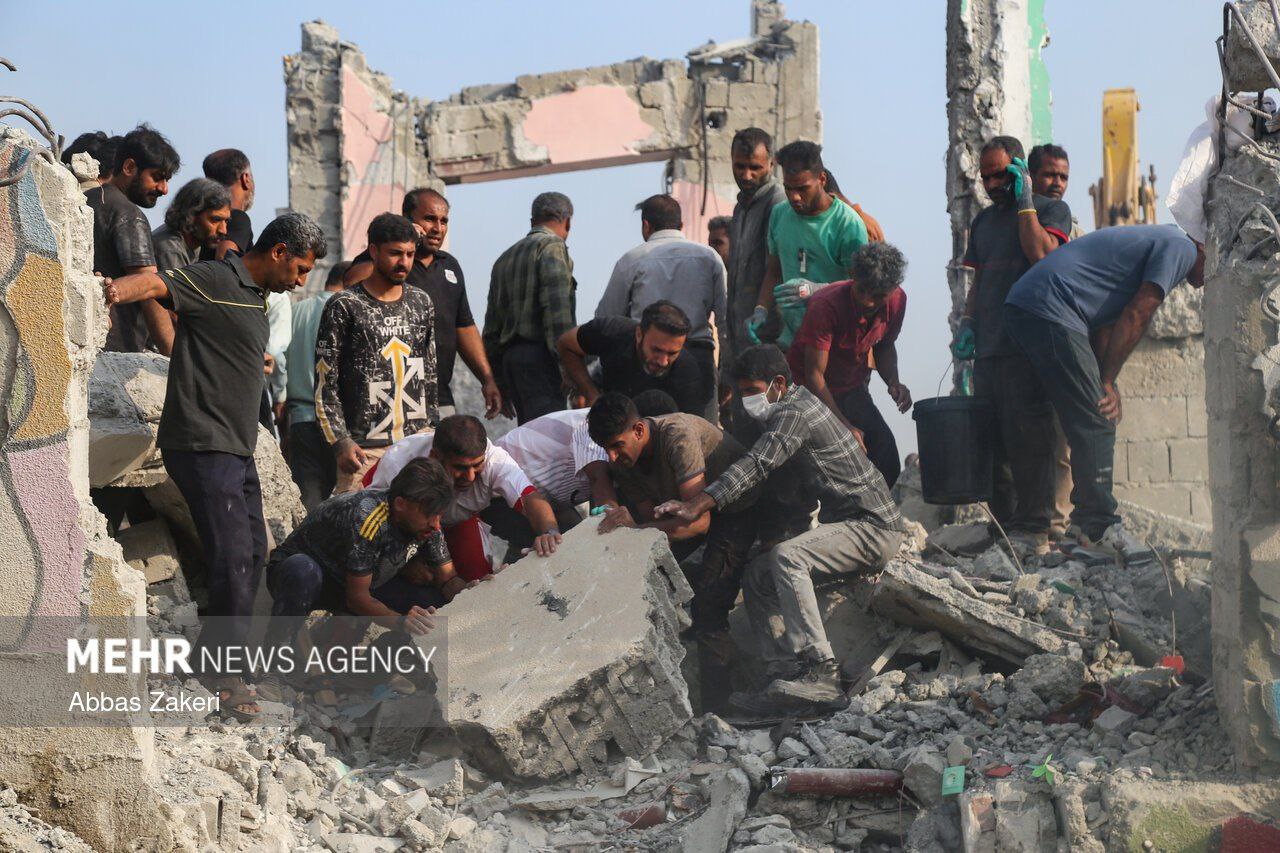
The geopolitical landscape of the Middle East has been irrevocably altered following a series of significant US-Israeli strikes targeting Iran, a development that has sent shockwaves across the globe. Reports confirm the death of Iran's Supreme Leader, Ayatollah Ali Khamenei, alongside other senior security officials, marking a profound shift in regional power dynamics. This unprecedented event, characterized by some as a direct assault on the "mothership of terrorism," has ignited a furious response from Tehran and drawn urgent reactions from international observers. Republican Senator Lindsey Graham notably lauded the actions, suggesting the world is a better place in the wake of these strikes and predicting a potential collapse for what he termed the "largest state sponsor of terrorism." The ramifications of these coordinated attacks extend far beyond the immediate battlefields, threatening global economic stability and intensifying an already volatile security environment.
Regional Fallout: Iran's Vows of Retaliation and Gulf States' Unified Stance
In the immediate aftermath of the strikes, Iran’s Revolutionary Guard wasted no time in threatening its "most intense offensive operation" ever against Israeli and US military installations. This vow of retaliation quickly materialized, with Iranian counterattacks reportedly striking US bases in Bahrain and the UAE. While the US military denied Iranian claims that the USS Abraham Lincoln aircraft carrier was hit by ballistic missiles, asserting that the "missiles launched didn’t even come close," the intent and capability displayed by Iran underline the rapidly escalating tensions.
The Gulf Cooperation Council (GCC), comprising the UAE, Bahrain, Saudi Arabia, Oman, Qatar, and Kuwait – all of whom have reportedly experienced Iranian strikes – convened via video-link to formulate a unified response. Their foreign ministers reviewed "extensive damage resulting from the treacherous Iranian attacks" and discussed measures for restoring stability. A statement released after the meeting underscored the Gulf countries' commitment to taking "all necessary measures to defend their security and stability and to protect their territories, citizens, and residents, including the option of responding to the aggression." They also issued a stark call for the "immediate cessation of these attacks," emphasizing that the stability of the Gulf region is not merely a regional concern but "a fundamental pillar of global economic stability." This unified front from the GCC demonstrates a collective resolve to protect their interests amidst the surging regional hostilities. For a deeper dive into the region's preparedness, you can read more at
Iran Vows Retaliation: Gulf States Brace for 'Intense Offensive'.
Global Repercussions: Economic Turmoil and International Reactions
The recent escalation has not been confined to the Middle East; its ripple effects are being felt across continents. Global reactions have been starkly divided, ranging from angry protests in some nations to outright celebrations in others, while many world leaders have urgently called for a return to negotiations and peace. In Pakistan, violent clashes erupted, leading to the deaths of at least 22 people in northern regions and the southern port city of Karachi as police confronted hundreds of protesters attempting to storm US consulates.
Economically, the strikes have rattled global markets, particularly impacting shipping and energy sectors. Several major shipping companies have initiated rerouting their vessels around Africa, abandoning the customary Suez Canal and Bab al-Mandeb Strait routes. This diversion is a precautionary measure against the possibility of Iran rendering the Strait of Hormuz unsafe for commercial traffic – a critical choke point through which a fifth of the world's traded oil passes. Such disruptions are not just theoretical; footage from Fujairah, UAE, showed a massive fire still raging at an oil depot a day after falling debris from an intercepted drone ignited the blaze, highlighting the direct impact on energy infrastructure.
Moreover, the widening conflict has caused energy prices to spike, creating uncertainty for global consumers and industries reliant on stable oil supplies. Disrupted air travel in the region has left hundreds of thousands of travelers stranded, underscoring the broad logistical challenges posed by the instability. Even further afield, debris from NATO’s interception of an Iranian ballistic missile has been recovered from waters in Turkiye, illustrating the widespread geographical reach of the conflict's technical aspects. Political scientist Vali Nasr critically observed that "We already are in a scenario where the US has lost control of this war," reflecting a growing concern about the unpredictable trajectory of the conflict. For comprehensive analysis on how these events are affecting global markets and shipping, consider reading
Global Shockwaves: Israel-Iran War Widens, Markets & Shipping Hit.
Understanding the Escalation: Implications of Khamenei's Death
The death of Ayatollah Ali Khamenei is arguably the most significant aspect of these recent strikes. As the Supreme Leader, Khamenei held ultimate authority in Iran, shaping its domestic and foreign policy for decades. His demise creates an immediate power vacuum and raises profound questions about Iran's future leadership, its internal stability, and its regional posture. The rhetoric from figures like Senator Graham, who described "the captain" as dead and Iran as "close to collapsing," suggests a belief that this event could fundamentally weaken the Iranian state and its proxies.
However, the reality on the ground may be far more complex. While the loss of a supreme leader could indeed destabilize the regime, it could also galvanize hardliners, leading to a more aggressive and unpredictable Iran. The immediate counterattacks and threats of an "intense offensive operation" indicate that the current leadership is unwilling to show weakness. Moreover, the strategic alliance between the US and Israel in carrying out such a high-profile strike against Tehran signals a significant shift in their approach to countering Iranian influence, moving from proxy conflicts to direct, high-stakes military action.
Navigating a Volatile Future: What's Next for the Region?
The current situation demands careful consideration of potential future scenarios. The death of Khamenei, while a tactical victory for those seeking to diminish Iran's power, also opens a Pandora's box of uncertainties. Here are some key points to consider:
* **Succession Challenges:** The process of selecting a new Supreme Leader will be critical. A contested succession could lead to internal power struggles, potentially weakening Iran from within. Conversely, a swift and decisive transition to a hardline successor could solidify the regime's resolve for continued confrontation.
* **Proxy Network Response:** Iran's extensive network of regional proxies, including Hezbollah, Hamas, and various Shiite militias, will likely be a focal point. Their actions, whether independently or under new directives from Tehran, could significantly broaden the scope of the conflict.
* **Economic Pressures:** The ongoing disruption to shipping lanes and the spike in energy prices will likely intensify. Businesses reliant on these routes or sensitive to oil prices must develop robust contingency plans, exploring alternative supply chains and energy sources where feasible.
* **Diplomatic Efforts:** Despite the escalation, there will be renewed calls for de-escalation and diplomatic engagement from international bodies and nations seeking to avert a full-scale regional war. However, the path to negotiations appears fraught with increased mistrust and hardened positions.
* **US and Israeli Strategy:** The efficacy of this high-risk strategy will be measured by its long-term impact on Iran's behavior and regional stability. It could either lead to a weakened, less aggressive Iran or provoke a more determined and dangerous adversary.
The international community faces an immense challenge in managing this crisis. The interconnectedness of global markets, the sensitivity of energy supplies, and the inherent dangers of military conflict in a region already prone to instability mean that every development in the "israel teheran angriff" scenario has far-reaching consequences.
Conclusion
The US-Israeli strikes resulting in the death of Ayatollah Ali Khamenei have plunged the Middle East into an even more precarious state, escalating the Iran conflict to unprecedented levels. While some view these actions as a decisive blow against a major state sponsor of terrorism, others fear a catastrophic unraveling of regional stability, leading to wider economic and humanitarian crises. Iran's immediate and forceful vow of retaliation, coupled with the unified defensive posture of Gulf states, signals a period of intense confrontation. As global markets react with volatility and international diplomatic efforts scramble for de-escalation, the world watches anxiously to see whether this pivotal moment will pave the way for a new regional order or plunge it further into the abyss of conflict. The implications of these "israel teheran angriff" developments will undoubtedly shape the future of the Middle East and global security for years to come.